


25 August 2026
Noise Non Compliances Increase by 24% on Construction Sites: An Opportunity for Industry Leadership
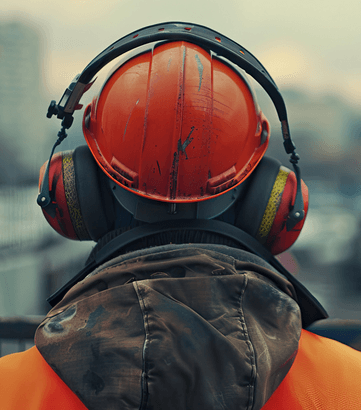
The Building Safety Group (BSG) has identified a 24% increase in noise infringements on construction sites across the UK, based on 6,000 independent inspections conducted during the first half of 2026.
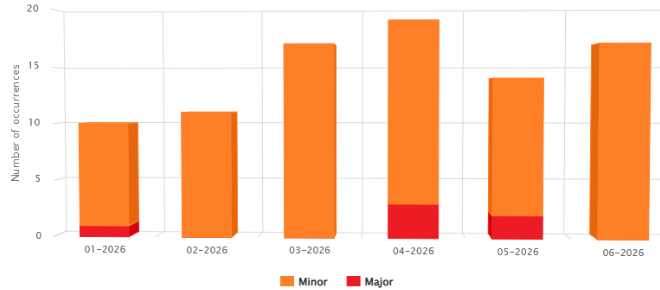
Noise breaches between 1st Jan – 30th Jun 2026
While this trend requires attention, it presents a valuable opportunity for forward-thinking construction companies to differentiate themselves through excellence in worker protection.
By addressing noise compliance proactively, businesses can strengthen their competitive position, enhance workforce wellbeing, and demonstrate industry leadership in an area that matters increasingly to clients, workers, and stakeholders alike.
Understanding the Challenge and the Opportunity
The construction sector faces a significant challenge with workplace noise exposure. Thousands of workers currently experience hearing-related conditions attributable to excessive noise, and the Health and Safety Executive estimates that millions of workers in Great Britain encounter elevated noise levels during their working day.
Noise-induced hearing loss has become the second most common reason for employers’ liability claims related to occupational health. However, this challenge presents an opportunity: companies that invest in comprehensive noise management can reduce claims, lower insurance premiums, attract top talent, and build reputations as employers of choice. Progressive construction businesses are already discovering that robust noise compliance delivers tangible returns on investment whilst protecting their most valuable asset—their people.
The Science of Cumulative Exposure
Understanding how noise affects workers empowers better decision-making. Andy Harper, Head of Technical and CDM Support for the Building Safety Group, explains: “Exposure to many different sources of noise on a construction site has a cumulative effect and causes damage, even if a worker is only exposed to a single source for short periods of time.”
Construction sites feature multiple noise sources- heavy machinery, power tools, vehicle movements, and demolition activities – each contributing to overall exposure.
Andy notes that temporary threshold shift, where workers experience muffled hearing at day’s end that resolves by morning, serves as a useful early indicator that adjustments are needed. Recognising these warning signs enables timely intervention before permanent damage occurs.
The Legal Framework as a Foundation for Excellence
The Control of Noise at Work Regulations 2005 provide a clear framework for protecting workers from hearing damage. Construction companies must conduct thorough risk assessments to identify noise hazards and implement appropriate control measures. These requirements include eliminating noise at source where possible, reducing exposure through engineering controls and work organisation, and providing suitable hearing protection where other controls prove insufficient.
Employers should ensure workers receive comprehensive information, instruction, and training regarding noise risks and protective measures. Health surveillance programmes can monitor workers’ hearing to detect early changes. Rather than viewing these requirements as burdensome, leading companies recognise them as a roadmap to creating safer, more productive work environments that benefit everyone involved.
Building a Culture of Noise Management Excellence
Construction companies have numerous practical options for addressing noise challenges effectively.
Start with comprehensive noise assessments across all sites to identify opportunities for improvement and prioritise interventions.
Select quieter equipment and machinery where available—modern technology often delivers better performance with reduced noise output. Maintain tools properly to minimise unnecessary noise generation. Implement engineering controls such as acoustic barriers and enclosures around particularly noisy operations. Organise work patterns strategically to limit individual exposure duration and rotate workers away from high-noise tasks.
Provide appropriate hearing protection and empower workers through regular training on correct usage. Establish monitoring protocols to verify control measures remain effective over time. Document all assessments, control measures, and training to demonstrate commitment and continuous improvement.
Specialist resources and industry best practice guidance offer valuable support for companies embarking on this journey toward excellence in noise management.
BSG Comment
Hearing damage from noise exposure is entirely preventable with proper controls and genuine commitment. The 24% increase in infringements highlights an opportunity for industry-wide improvement and leadership.
Construction companies that embrace this challenge will find that protecting workers from noise hazards delivers multiple benefits—fulfilling legal obligations, demonstrating corporate responsibility, and strengthening business performance.
By investing in comprehensive noise management today, forward-thinking companies are building safer, more attractive workplaces that position them for long-term success in an evolving industry landscape.