

03 December 2025
Modular Building Construction: Health & Safety

The UK’s modular building industry has experienced significant growth in recent years, offering efficient and cost-effective construction solutions. However, this specialised construction sector presents unique health and safety challenges that must be addressed to ensure compliance with the Health and Safety at Work Act 1974 and Construction (Design and Management) Regulations 2015.
Here, BSG outlines essential safety considerations for industry professionals working with modular buildings.
Site Preparation and Planning
Thorough site preparation begins with comprehensive risk assessments. Site surveys must evaluate ground conditions, access routes, and existing utilities. According to HSE guidelines, ground bearing capacity must be assessed to ensure stable foundations for both temporary works and permanent installations.
Site security measures, including robust perimeter fencing and clear signage, are mandatory. The Construction Site Security Guide recommends controlled access points and secure storage areas for materials and equipment.
Construction Phase Safety Measures
Lifting operations present significant risks during modular construction. All crane operations must comply with LOLER 1998 regulations, with certified operators and clearly defined communication protocols. Recent HSE statistics indicate that lifting related incidents account for 12% of construction accidents, emphasising the need for rigorous safety measures.
Working at height also remains a critical concern. Scaffolding must meet Work at Height Regulations 2005 requirements, with regular inspections documented. Fall protection systems, including guard rails and personal fall arrest equipment, are mandatory when working above 2 meters. All access equipment must be inspected daily and certified for use.
PPE
PPE requirements include:
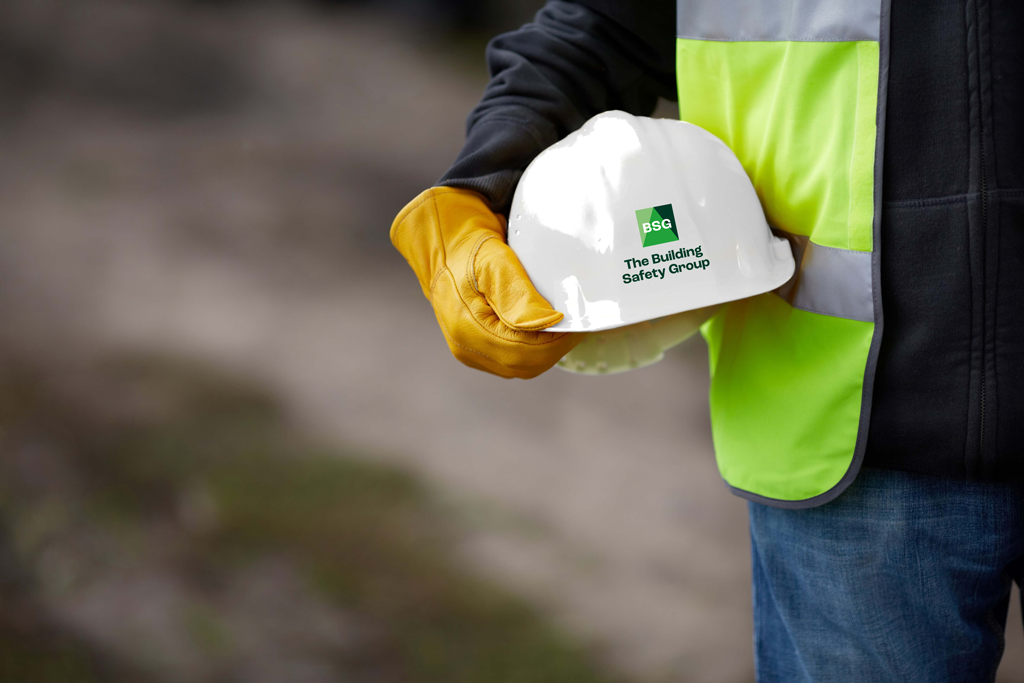
- Safety helmets meeting EN 397 standards
- Steel-toe boots complying with EN ISO 20345
- High-visibility clothing to EN ISO 20471
- Task-specific PPE as identified in risk assessments
Specific Building Safety Considerations
Structural integrity must meet Building Regulations 2010 requirements. Load-bearing calculations should account for both static and dynamic loads, with particular attention to wind loading on temporary structures. Fire safety measures must comply with the Regulatory Reform (Fire Safety) Order 2005, including appropriate fire-resistant materials and clearly marked emergency exits.
Electrical installations must meet BS 7671 requirements, with certification by qualified electricians. Regular testing and inspection schedules should be established and documented. All mechanical systems require similar certification and maintenance protocols.
Occupational Health Considerations
Manual handling operations must follow Manual Handling Operations Regulations 1992. Workers require training in proper lifting techniques and the use of mechanical aids. COSHH regulations govern the storage and handling of hazardous materials, with detailed risk assessments and control measures documented.
Documentation and Compliance
- Essential documentation includes:
- Site-specific risk assessments
- Method statements for all major operations
- Equipment inspection records
- Worker training certificates
- RAMS (Risk Assessments and Method Statements)
Regular toolbox talks and safety briefings must be documented, with records maintained for at least three years.
Conclusion
Maintaining high safety standards in modular building construction requires constant vigilance and commitment to best practices. Regular review of procedures, ongoing training, and strict adherence to regulatory requirements are essential. The industry’s continued growth depends on maintaining exemplary safety records through proactive management and worker engagement.
Companies must stay current with evolving regulations and industry standards while fostering a strong safety culture. Success in modular construction relies not just on efficient building practices but on unwavering commitment to worker safety and regulatory compliance. Chris May: CMIOSH | BSG Regional Manager
[Note: This article provides general guidance. Always refer to current legislation and seek professional advice for specific situations.]
Thoughts on this article? 💭 We want to hear from you!
Drop your views at buildingsafetygroup@bsgltd.co.uk – we read every message and love engaging with our construction community. Your perspective matters!